• Home
  • About
  • Recipe Index
  • Contact
Menu

Rivka Friedman

Street Address
City, State, Zip
Phone Number

Your Custom Text Here

Rivka Friedman

  • Home
  • About
  • Recipe Index
  • Contact

Grape Leaf Pie

January 31, 2013 Rivka
DSC_0348
DSC_0348

I'm having a bit of a moment with Asian food right now. If you follow me on twitter or instagram, you've seen this borne out in a series of slightly-obsessive photos of yam som-o, pomelo salad, which I am very, very close to perfecting (and then posting!). This, of course, is because we traveled to Vietnam and Thailand in December. D so anticipates these obsessive bouts when and after we travel that she doesn't even bother to roll her eyes anymore. She sees the packages of  rice, tamarind, bamboo steamers, and obscure Thai cookbooks, makes me promise I'll still make pasta sometimes, and lets it lie. Best wife ever.
DSC_0186
DSC_0186
DSC_0206
DSC_0206

It just so happens that my Asian cooking moment has coincided with a period of self-imposed exile from Mediterranean food. You wouldn't know it from the number of recipes I've posted from Plenty and Jerusalem lately, but I've been taking a break from hummus, muhamarra,, and labneh. I ate too much of it in the fall, and I needed some time off.
DSC_0210
DSC_0210
DSC_0237
DSC_0237

The vacation was also a vacation from grape leaves, which I generally love but basically O.D.ed on back in November. After a not-particularly-successful attempt at making my own, I cut myself off. We ate a lot of pasta in December, and then we went to Asia. Now we're back, and while I could eat pad thai for probably 2 weeks straight before needing a break, D has had enough Asian noodles to last her a lifetime. It was time to get back on the Mediterranean bandwagon.
DSC_0251
DSC_0251
DSC_0252
DSC_0252

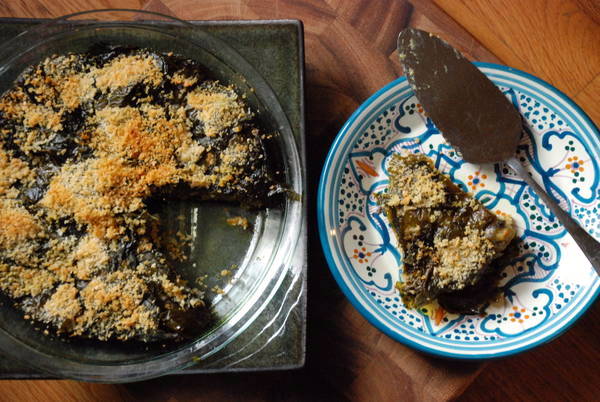
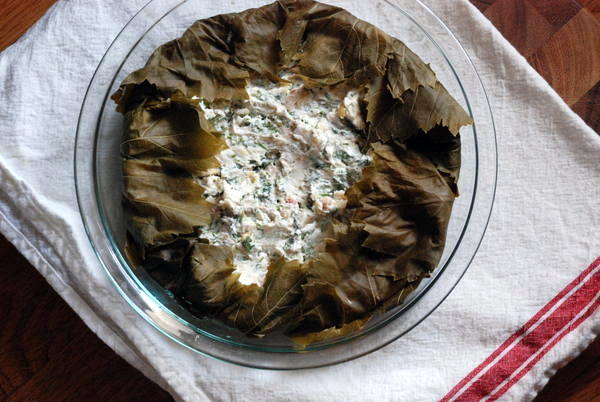
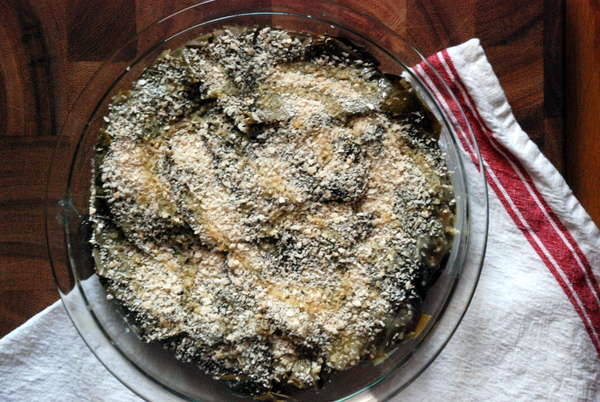
A long-time lover of stuffed grape leaves, I was thrilled to find a recipe in Yotam Ottolenghi's Plenty for Grape Leaf, Herb, and Yogurt Pie. It's basically a deconstructed stuffed grape leaf, but with crispy, crunchy bread crumbs sprinkled overtop. The other genius this about this recipe is that instead of calling for rice, which you'd have to cook and cool in order to use, Ottolenghi has you bring the filling together with rice flour. Brilliant.  If you used GF breadcrumbs, this whole dish could be gluten free.

I ate this and was excited to eat more; I guess I'm back onto Mediterranean food.
DSC_0264
DSC_0264
DSC_0285
DSC_0285
DSC_0308
DSC_0308

Grape Leaf PieAdapted from Plenty

When I first made this, I thought it would be a perfect vegetarian main course. Now that we've tried it, I think it's more like a side. It'd make a fantastic dish as part of a meal like this, where basically everything is a side. If you wanted to make it more substantial, you could probably double the recipe (grape leaves and filling) and put it in a deeper, larger dish. You'd also need to cook it for probably 20 minutes longer.

I changed a bunch of things here. First, Ottolenghi calls for 5 1/2 tablespoons of fat, but you don't need it all. I cut to 4 (3 olive oil, 1 butter) and found that to be, er, plenty. I also added currants, which gave this pie much needed bits of sweet to contrast all its tartness. For me, the currants made the dish. Use raisins if you don't have or can't find currants. I also skipped the yogurt garnish. This whole pie tastes like yogurt; adding more on top was overkill. If you really want to finish the dish, you might warm a few tablespoons of honey and drizzle that overtop. That would be really lovely. Do leave a comment if you try it.

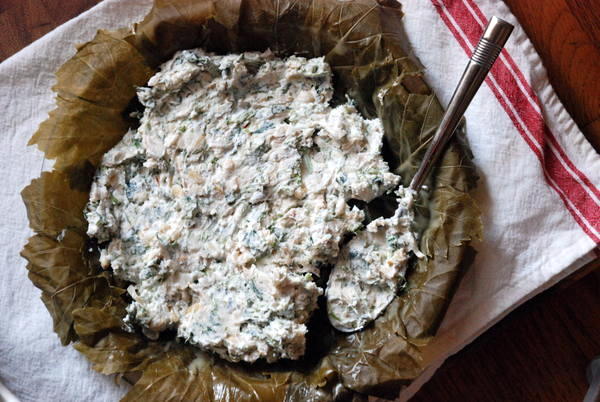
The last thing I changed was the instruction on how to fold the grape leaves over the pie. At first, I followed Ottolenghi's instructions to fold the overhanging leaves back over first, then pile the remaining leaves overtop. (That's what you see in the picture above.) On second thought, I undid this, put down the remaining leaves first, and then folded in the overhang. That way, the overhanging leaves envelop the whole pie, and it's much easier to cut.

Special ingredient alert: it's not every day you leave the grocery store with a jar of grape leaves and a bag of rice flour. I get it. Grape leaves are available at some Whole Foods and Mediterranean markets. Rice flour is available at WF, as well as at many health food stores, and increasingly at regular grocery stores, with the explosion of GF diets. Happy shopping!

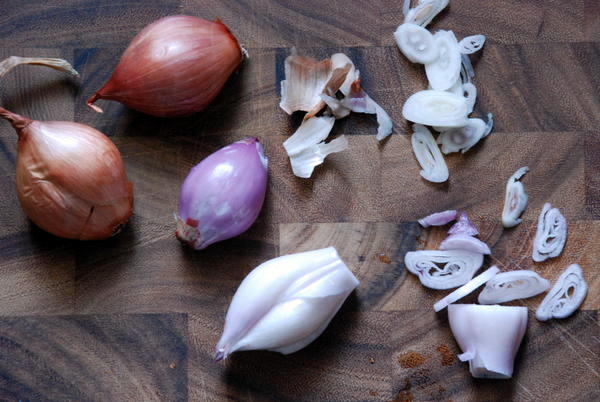
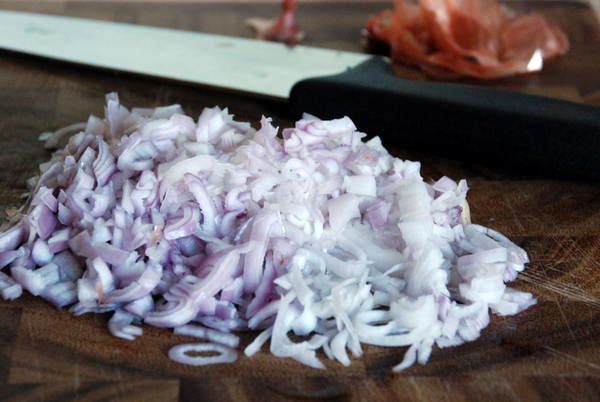
20 to 25 grape leaves (fresh or from a jar) 4 shallots, finely chopped 1/4 cup currants or raisins 3 tbsp olive oil 1 tbsp unsalted butter, melted 1 cup Greek yogurt 1/4 cup pine nuts, lightly toasted 1/2 tbsp finely chopped tarragon 2 tbsp finely chopped parsley 3 tbsp finely chopped dill 4 tbsp finely chopped mint grated zest of 1 lemon 1 tbsp lemon juice salt and black pepper 1/2 cup rice flour 3 tbsp dried breadcrumbs (preferably panko)

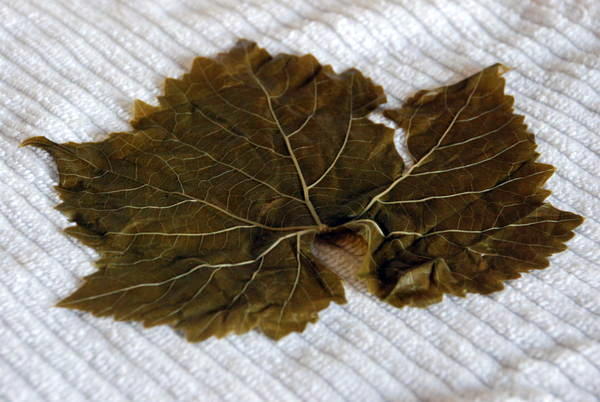
Preheat the oven to 375°F. Place the grape leaves in a shallow bowl, cover with boiling water and leave for 10 minutes. Then remove the leaves from the water and dry them well with a tea towel. Use scissors to trim off and discard the bit of hard stem at the base of each leaf.

Sauté the shallots in 1 tablespoon of the oil for about 8 minutes, or until light brown. Add the currants and 1 tablespoon of water, stir to combine with the shallots, and leave to cool down.

Take a round and shallow ovenproof dish that is roughly 8 inches in diameter, and cover its bottom and sides with grape leaves, slightly overlapping them and allowing the leaves to hang over the rim of the dish. Mix the melted butter with 1 tablespoons of olive oil; use about two-thirds of this to generously brush the leaves lining the dish.

Mix together in a bowl the shallots and currants, yogurt, pine nuts, chopped herbs, and lemon zest and juice, and season with salt and pepper to taste. Then add in the rice flour and mix until everything is combined and uniform. Spread the mixture evenly in the baking dish, using an offset spatula or the back of a spoon to nudge the mixture into the dish without disturbing the grape leaves.

Use the remaining grape leaves to cover the top of the pie, making sure to cover the middle if you don't have enough to cover the entire surface. Then fold the overhanging grape leaves back over the top of the pie. Brush with the rest of the butter and oil mix. Finally, scatter the breadcrumbs over the top and drizzle over the remaining 1 tablespoon olive oil.

Bake for 40 minutes, or until the leaves crisp up and the breadcrumbs turn golden brown. Remove from the oven and leave to rest for at least 10 minutes. Use a very sharp or (preferably) serrated knife to cut into wedges and serve warmish or at room temperature.
In gluten-free, sides
4 Comments

Herb Salad with Dates and Sumac Croutons

January 25, 2013 Rivka
DSC_0117
DSC_0117

Every January, I tell myself I'll eat more salads. The catch: when I'm not saying this with my mouth full of muffin, I'm swearing it in between bites of spaghetti. The cold months make it tough to get it up for leafy greens. Still, I don't back down so easily. I empty my pockets for Next Step Produce's arugula, which is not at all cheap - an insurance policy against wasting the stuff, I guess. I buy good olives and Asian pears, thick, aged balsamic and salty, herby Pecorino. I put all the ingredients in the fridge, nod knowingly. I will make salads. And then, when I get home from a long day at the office where the heat is broken and the air registers a nice comfy 50 DEGREES, I open the fridge, pull out the arugula, the olives and pears, that lovely pecorino, and pile it all on a square of puff pastry for a delightful winter tart that has nothing at all to do with salad. Oops.

For problems like these, dinner parties were created. If a plate of food gets served to company, it better have something fresh. Armed with a shred of dignity (I can't actually serve them all just pasta, can I?), I finish the pureed sweet potatoes and green beans and quiche, take a deep breath, and toss together a salad. I tell myself that people will be warm enough, they will want to eat it. Sometimes, I'm right.

A couple weeks ago I made this number, a riff on a few different salads in Ottolenghi's books Plenty and Jerusalem. Ottolenghi is really big on seasoned croutons (as am I), and in Jerusalem, he really doubles down on them. He's got a bunch of different varieties. My personal favorite (you can see why) combines bits of broken pita, almonds, sumac, and plenty of chile. The mixture is the sort of thing I tend to double, then put on everything I make that week. You can see how croutons this flavorful work as well in salad as they do on a bowl of hot soup...not that I need any other reasons to choose hot food over salad.

I was out of pita the last time I whipped up this salad, so I substituted baguette. I'll tell you, I think the baguette croutons beat out their pita siblings; they were crunchier, and better vehicles for the sumac- and chile-flavored oil. They also contrasted nicely with the almonds.

DSC_0101
DSC_0101

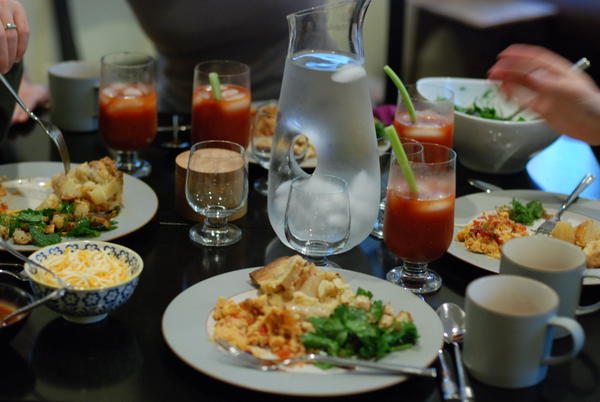
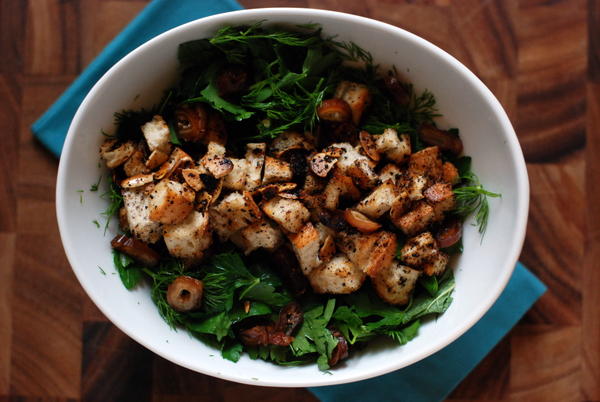
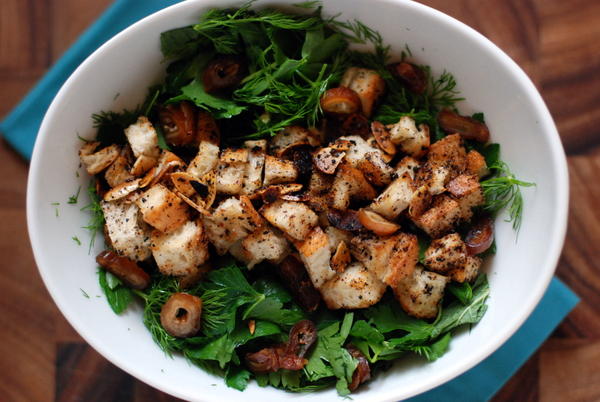
Ottolenghi has you pile these sumac croutons on raw spinach, but I'm in the "spinach is a dish best served cooked" camp, so I usually go with arugula or another leafy green. This time, though, I had huge piles of herbs that needed to be used up before we headed out of town. I tore them up, tossed them into a small salad bowl, and made a really lovely salad at the spur of the moment that even this hot-food lover was happy to eat. It came out so good, I served the leftovers for brunch the next day, alongside this pear danish and these migas - my favorite - from Jennifer. Oh, and plenty of bloody marys:

DSC_0129
DSC_0129

The croutons made the salad, for sure. But equally important were chopped medjool dates, which manage to be sweet, sticky, and distinctly fruity all at the same time. I highly recommend them in this salad - in any salad, really. My friend Jess wholeheartedly agrees about the whole dates-in-salad thing, and her rendition - with fresh ricotta! - has been on my to-do list for some time.

DSC_0104
DSC_0104

So I guess that's the game of salads in winter. They're never going to be the thing I run to eat first, but I've got tricks up my sleeve to make them delicious. Especially alongside a big bowl of spaghetti.

Herb Salad with Dates and Sumac Croutonsinspired by a few recipes from Yotam Ottolenghi in two of my favorite books, Plenty and Jerusalem

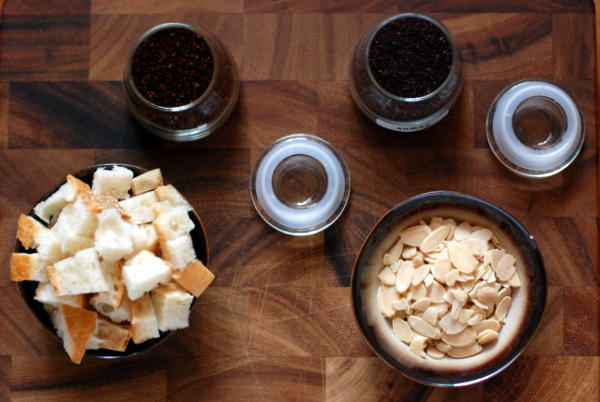
For the Croutons: 1 tablespoon olive oil 1 tablespoon butter 1/2 baguette, cut into 1/2-inch cubes or, better yet, ripped into pieces roughly that size 2/3 cup sliced almonds 2 teaspoons sumac 2 teaspoons Turkish or Syrian chile flakes, or other flavorful chile flakes (mild paprika will do in a pinch) 1 teaspoon salt, to taste 1 clove garlic, smashed

For the Salad: 8 dates, pitted and sliced 1 small red onion (or half a medium one), halved and sliced into thin rings 1 tablespoon white wine, champagne, or other mild vinegar 1 bunch (2 cups) dill, roughly chopped 1 bunch (2-3 cups) parsley leaves and chopped stems 1 bunch (1-2 cups) mint leaves zest and juice of one lemon, to taste 2 tablespoons olive oil salt and pepper

In a small bowl, combine dates, onion slices, and vinegar. Set aside to marinate while you make the croutons. By the time you're ready to make the salad, the vinegar will have been absorbed. If not, pour out whatever remains (or add it to a sauce - it'd be pretty delicious).

In a large shallow frying pan, heat the butter and olive oil over medium heat. Add garlic; it should sizzle when it hits the pan. Add baguette pieces and almonds, stir to coat with oil, and then add chile and sumac and stir to combine. Cook for 4-6 minutes, until bread and almonds have browned and everything smells wonderfully fragrant. Transfer crouton mixture to a bowl, and sprinkle salt overtop, starting with 1/2 teaspoon and adding more to taste. Set aside.

In a large mixing bowl, combine herbs, dates, onions, and croutons, by the handful, until the balance of green to crunch looks right. Save whatever you don't use for a meal later in the week; these croutons make everything taste good.

Before serving, whisk together lemon zest, lemon juice, and remaining 2 tablespoons olive oil. Add salt and pepper to taste (but remember that croutons have salt of their own, so go light on the salt). Dress salad, toss to combine, and serve.

In salad, vegetarian, healthy
2 Comments

Monkey Gingerbread

January 21, 2013 Rivka
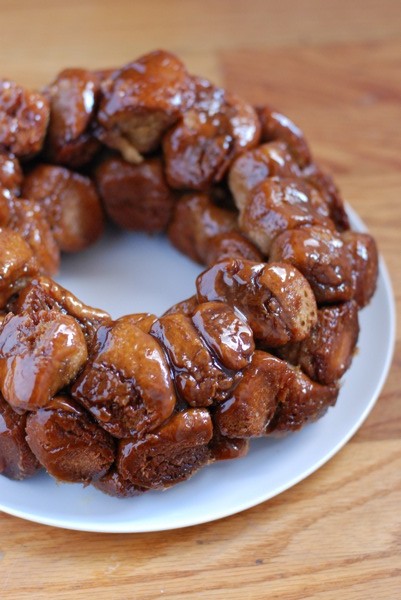
Monkey Gingerbread
Monkey Gingerbread

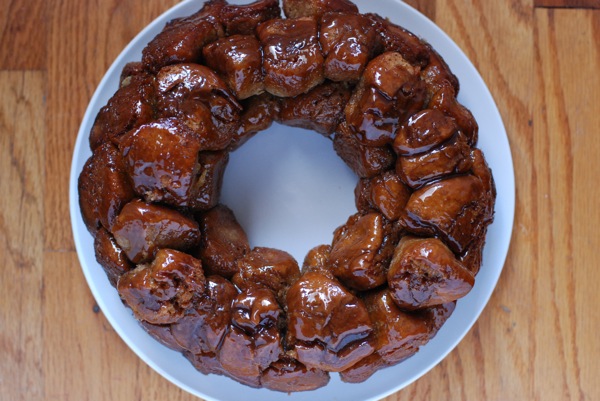
You guys know about monkey bread, right? It's a pull-apart loaf made from bits of dough that have been rolled in lots of melted butter and sugar. Why it's called monkey bread is anyone's guess (though as Nancy Reagan not-so-famously claimed, the bread got its name ''Because when you make it, you have to monkey around with it." Yep, I think Nancy was onto something.)

DSC_0299
DSC_0299
DSC_0303
DSC_0303

It's the right time for invoking presidents and first ladies; tomorrow is inauguration day, and this city is once again thrumming with the energy of the millions of people here to partake in celebration. We've got house guests, and we've got the tv tuned to the right channels, but this time, instead of venturing out into the cold to be part of history, we're taking it all in from our couch. We and our house guests are planning to cuddle up with something warm and sweet and chewy and delicious. It might just be monkey bread.

A good monkey bread is a thing of beauty, if you get a chance to see it before it's gone. One of my college roommates used to bring monkey bread back with her from winter break, at which point six no-longer-growing ladies would rush the kitchen and destroy the thing in seconds. I'd never made it from scratch before this year, but after discovering how easy it was to make, I haven't exactly held back.

DSC_0320
DSC_0320
DSC_0322
DSC_0322

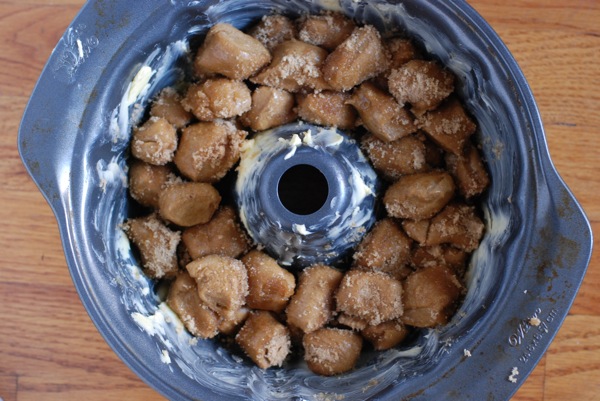
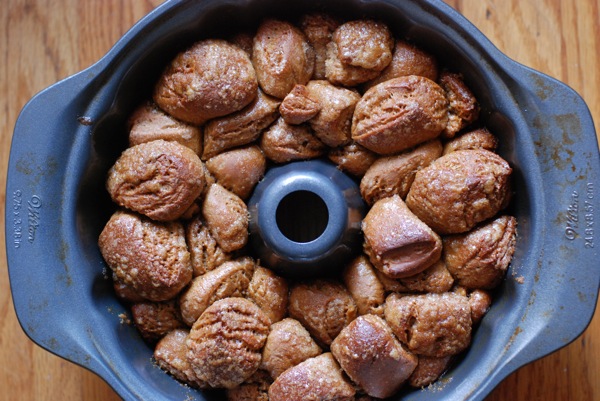
Now imagine that big pile of dough dipped in butter and sugar was also shot through with warm spices and molasses. I KNOW. What you end up with is a big pile of really flavorful dough, dipped in butter and sugar that - call me crazy - tastes way better than just plain brown sugar. Like some of the molasses secretly defected from the dough and bolted for the sticky bits.

DSC_0324
DSC_0324
DSC_0332
DSC_0332

It's called Monkey (Ginger)Bread, and it came to me by way of Food52, of course. It's creator is a woman named Arielle, who has several winning recipes on the site (that you should check out, and make, and eat.) We ate the monkey gingerbread with chai tea, and were chai a slightly less adult beverage, I'd have felt it totally normal to go put on one of those onesie pajama ensembles with the grippy feet. What can I say? It's warm-cuddly food. Perfect for this weather.

DSC_0348
DSC_0348

Monkey GingerbreadAdapted from Food52

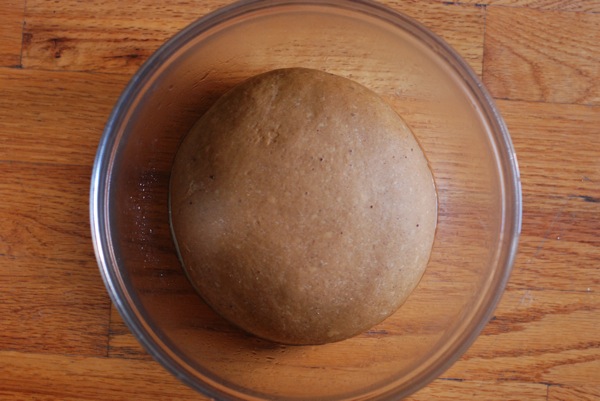
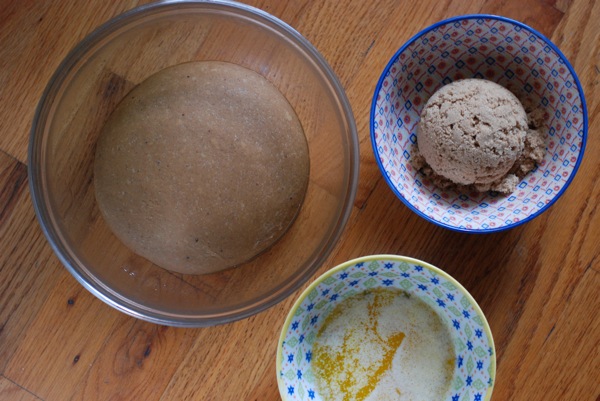
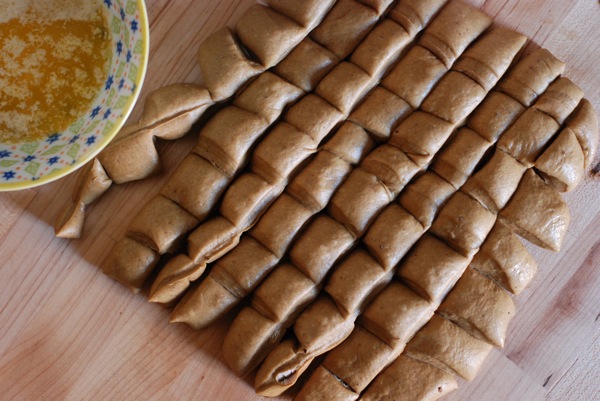
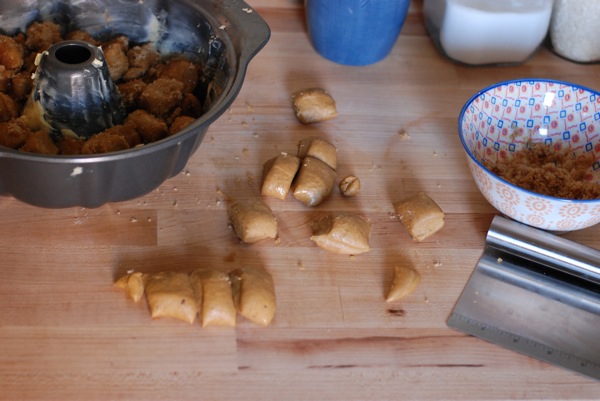
    For the dough: 1 packet (1 tablespoon) dry yeast pinch sugar 1/3 cup warm water 4 tablespoons (half a stick) butter, divided 1 cup whole milk 1/4 cup molasses 3 1/4 cups all-purpose flour 2 teaspoons kosher salt 2 teaspoons ground ginger 2 teaspoons cinnamon 2 teaspoons ground cloves 1/2 teaspoon nutmegFor dipping: 1 stick (8 tablespoons) butter, melted 1 cup packed light brown sugarCombine yeast and a pinch of sugar with the 1/3 cup warm water in a small bowl. Stir to combine, and let sit until frothy.Combine 2 tablespoons butter, milk, and molasses in a small saucepan and heat until the butter has melted. Set aside to cool.In the bowl of a stand mixer or a large mixing bowl, combine all the dry ingredients and mix until well combined. Add yeast, then milk mixture, and mix for about 5 minutes, until completely smooth. (You can do this with a mixer or with your hands. At the beginning, the dough will be quite sticky; if dough is too sticky to work with, add up to 1/4 cup extra flour, tablespoon by tablespoon, until dough is workable.)Turn dough onto a counter and knead a minute or two longer, until dough is smooth and soft. Coat a large bowl with oil. Put dough in the bowl and turn to coat in oil, then cover with plastic and set in a warm spot until doubled, 1 to 2 hours (depending on the temperature: in winter, it took 2 full hours - in summer, about 1 hour 15 minutes.)Meanwhile, set the remaining 2 tablespoons butter out on the counter to soften, then use them to grease a bundt pan very, very thoroughly. Set the melted butter in one shallow bowl and the brown sugar in another.When the dough has doubled in volume, turn it onto a counter and gently pat it into an 8-inch square. Cut the dough into 64 pieces (into 8 vertically, then 8 horizontally). Dunk each square into the melted butter, then into the brown sugar, and pile the dunked pieces of dough into the buttered bundt pan, turning the pan as you work so the dough balls are distributed evenly. When all the dough has been dunked and piled into the pan, cover the pan and let rise for at least 1 more hour, until balls have puffed up toward the top of the bundt pan. (Mine rose to about 2 inches below the top of the pan; don't sweat how high they get - just make sure they look fluffy and light.)While the dough proofs, preheat the oven to 350 degrees. Bake the monkey bread for 30-35 minutes, until the top is golden brown. Remove from the oven, cool for exactly 5 minutes, then turn onto a cake stand or platter and serve immediately. Monkey bread is not meant to be saved, so please: don't hold back. Eat up.
In breakfast and brunch, cake
7 Comments

Fasolakia: Greek Braised Green Beans

January 15, 2013 Rivka
DSC_0089
DSC_0089

Well clearly, it's January. I got to the gym yesterday morning and my god was it crowded! You can practically taste the hope in the air. So much ambition, so many plans. Resolutions abound.

It's the second week of January, so I trust we've moved past the "I only eat raw vegetables" phase and are drifting back to real life. By real life, I mean "it's 6:30 and I just got home and I'm hungry enough that if I don't eat actual dinner right now I'm gonna go medieval on the chocolate bar in the drawer." That kind of real life.

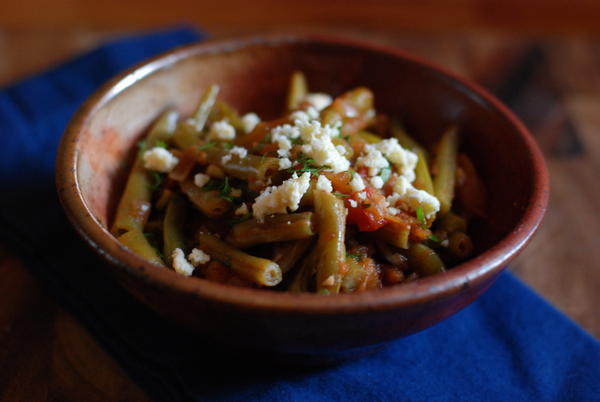
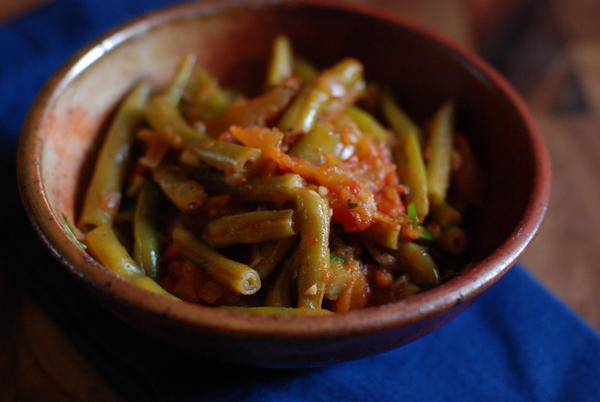
For days like those, consider this fasolakia. Faso-what? It's a Greek dish of  green beans braised in tomato sauce. It's healthy. It's easy. Not only can you make it in advance, you should; it gets better with time.  And - here's something you can't say about that many dishes made of green beans - it's addictive. It's also gluten-free and can be vegan very easily. What other boxes can I check?

DSC_0744
DSC_0744
DSC_0740
DSC_0740

I've no clue what's traditional - stovetop or oven. What I can tell you is that both work very well: the trick is to go low and slow. Gentle heat coaxes these green beans into velvety, sweet submission. The dish starts with onions and some herbs and spices, but tomatoes do a lot of the work here, transforming into a mellow, luscious sauce for the beans with just a few soft pieces left whole.  I'm guessing the Greek way is to serve this atop rice, which soaks up the sauce. I just serve it as a vegetable alongside fish or a savory tart.

If I'm being honest, I should call these not-strictly-Greek green beans. My brother spent last year in Ankara, Turkey, and he brought me back a huge bag of the best urfa biber I've ever had. It's sweet and smokey, redolent of chocolate and berries. I've been putting it on everything, and these green beans were no exception. I love how it made an ordinary can of chopped tomatoes taste really special. If you don't have or can't find urfa biber, you can use any sweet-smelling chile or paprika. You may want to cut the quantity, though, if your chile is spicy; my urfa is pretty mild.

DSC_0081
DSC_0081

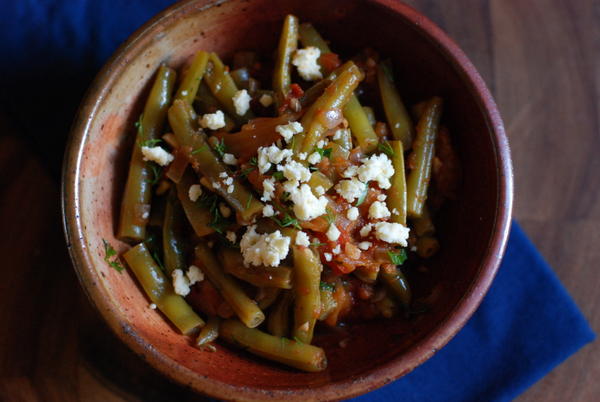
On serving them vegan: the first time I made these green beans, I forgot that I'd set aside some feta to sprinkle overtop. No one noticed, and the beans didn't suffer one little bit. They're so flavorful as is, they don't even need the cheese.

And while I'm dispensing tips, make a double batch, or even a triple. You can keep the beans in the fridge for at least a week with no problem, and they freeze beautifully as well. Hello, new favorite weekday lunch.

DSC_0091
DSC_0091

Fasolakia: Greek Braised Green Beans

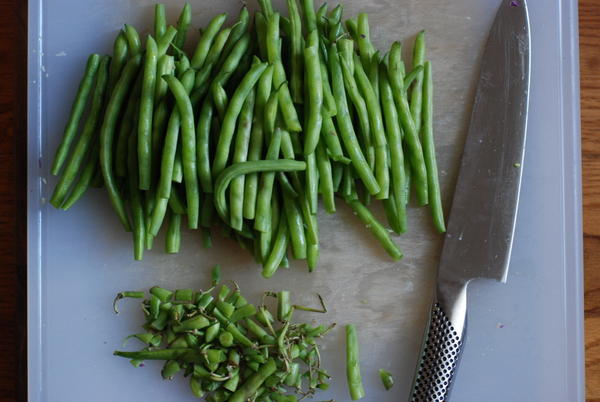
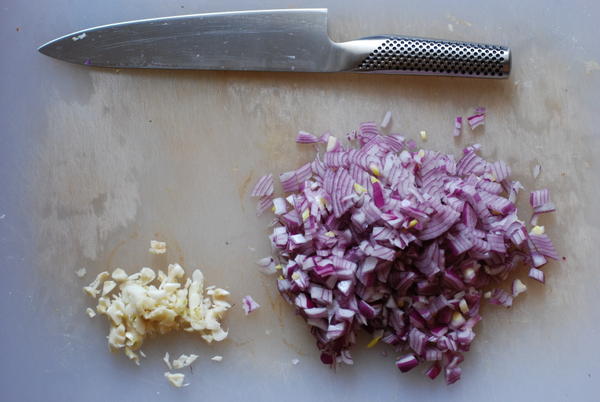
3 tablespoons extra virgin olive oil 1 large red onion, diced 3 cloves garlic, smashed and then chopped 2 tablespoons urfa biber or other very fragrant mild chile flakes (less if using something spicy) 1 1/2 lbs. green beans, trimmed and cut into bite-sized pieces 1 28-oz. can diced tomatoes or, if you'd like a more irregular texture (which I do), canned whole tomatoes that you cut or tear yourself 1 teaspoon dried oregano 1/2 cup chopped parsley 1/2 cup chopped dill 1/2 cup crumbled feta cheese, optional

If using the oven, preheat to 285 degrees. If planning to cook on the stove, no need to preheat the oven.

In a large pot or deep pan, heat the olive oil over medium heat until it shimmers. Add onion and a big pinch of salt, and cook until soft, about 7 minutes. Add garlic and chile flakes, stir to combine, and cook another minute or so.

Add green beans, tomatoes, oregano, another big pinch of salt, and a few grinds of the pepper mill, and stir a few times until everything is well mixed. Bring to a very gentle simmer over medium heat.

At this point, cover the pot, and either turn the heat down as low as it'll go, or stick the pot into your preheated oven, and cook the green beans until soft an velvety, about 1 hour. When the green beans are cooked, taste and adjust seasoning, adding more salt, pepper, or chile, to taste. To serve, reheat green beans to a very gentle simmer, then stir in parsley and dill, reserving a bit of each to sprinkle overtop. Finish with the rest of the fresh herbs and a sprinkle of feta, if using, and serve hot.

If not serving immediately, store green beans either at room temperature (for up to a few hours) or in the refrigerator (for several days). These green beans also freeze very well.

In gluten-free, sides, vegetarian, weekday lunch, easy, healthy
7 Comments
← Newer Posts Older Posts →

Subscribe by email:

  • books (1)
  • crisps and crumbles (1)
  • frozen (1)
  • toys (2)
  • gifts (3)
  • egg whites (5)
  • fried (5)
  • how to use--- (6)
  • drinks (10)
  • menus (11)
  • travel (11)
  • fish (12)
  • kosher for passover (14)
  • thanksgiving (14)
  • vegan (20)
  • snacks (21)
  • techniques (21)
  • soup (26)
  • bread (28)
  • pies and tarts (28)
  • cake (33)
  • events (34)
  • condiments (36)
  • various and sundry (39)
  • uncategorized (42)
  • cookies and bars (46)
  • weekday lunch (47)
  • appetizers (48)
  • salad (51)
  • gluten-free (56)
  • comfort food (61)
  • breakfast and brunch (77)
  • sides (81)
  • dessert (90)
  • main dishes (100)
  • healthy (139)
  • easy (155)
  • vegetarian (180)

| LATEST |

Featured
Blue Chair Fruit's Black Raspberry Jam
Thai Grapefruit Salad
Mango Sticky Rice
Winter 2016: Odds and Ends
Povitica: The Best Babka Ever
Persimmon Walnut Bread
Sprout Chaat Salad + New Site!
Maple Walnut Squares
How to Give Thanks
Croissants (really, I made croissants) + other croissant-ish things

| hEALTHY |

Featured
Sprout Chaat Salad + New Site!
Fennel frond pesto + what to do with those pesky stalks
Asparagus Toasts with Pistachios and Mint
Eggplant-Walnut Pâté + Passover Ideas
1-DSC_0861-600x401.jpg
Lentils and Rice with Tamarind Sauce and Dukkah
Big Kale Salad with Pomegranate and Feta
Punchy Crunchy Ginger Salad

| BreakfAST |

Featured
Povitica: The Best Babka Ever
Croissants (really, I made croissants) + other croissant-ish things
Mushroom and Kale Breakfast Strata
Barley Porridge with Orange and Black Sesame
Ramps 'n' Eggs Biscuit Sandwiches
Asparagus Toasts with Pistachios and Mint
Apple-Cheddar Scones with Sage
Menemen - Turkish Eggs with Tomatoes and Peppers
You must select a collection to display.

© 2016 Rivka Friedman. All Rights Reserved.