Santa Fe Getaway

Hi folks!

Well, we're back from Santa Fe. I can't say we got a warm welcome home -- it was more of a scorching welcome. The weather here was completely out of control, with temperatures soaring into the 100s and humidity in the high 90% range. Now that DC isn't completely exploding, I'm out of my post-vacation funk, and I've got loads of pictures and bits to share.

Santa Fe is nothing like DC. The days are hot but dry, the evenings cool and breezy. It's weather that calls for linen pants and light, airy sweaters. That's what I wore for 6 wonderful days.

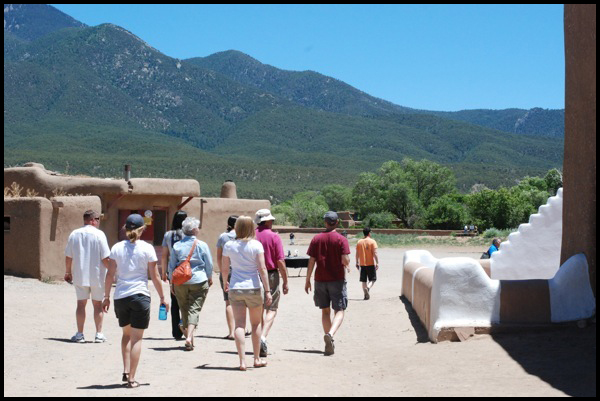
The weather and surroundings in Santa Fe were, without a doubt, the highlight of the trip. Not since I lived in Israel have I been in a place with such beautiful scenery everywhere you look. Desert in the background, mountains in the distance, a hot, dry haze in the air, but the promise of cool breeze in early morning and evening. We took advantage of those cool evenings to eat outdoors, and restaurants in Santa Fe have beautiful outdoor seating. At one restaurant, Aqua Santa, we ate under wooden beams laced with vines and supporting a beautiful sour cherry tree. A couple plump, red sour cherries were the perfect end to the meal.
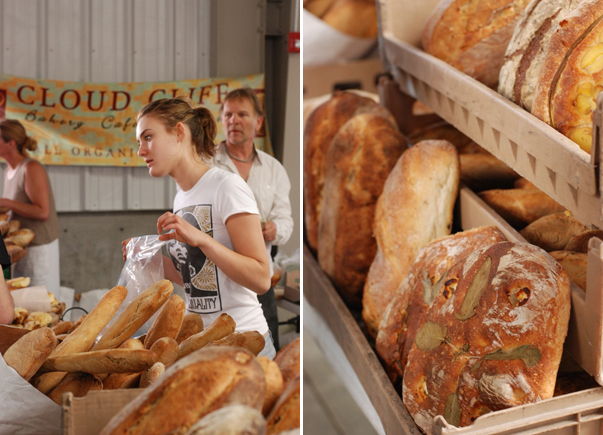
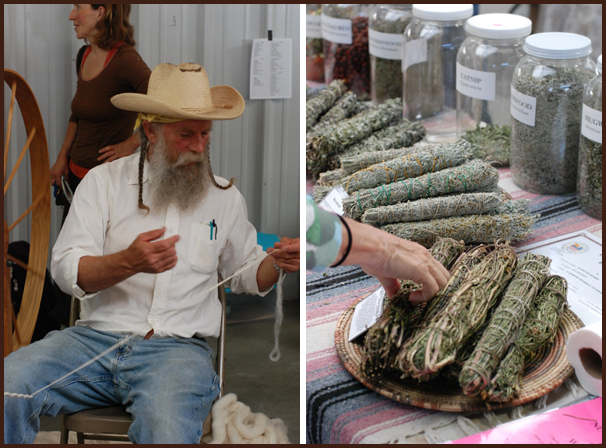
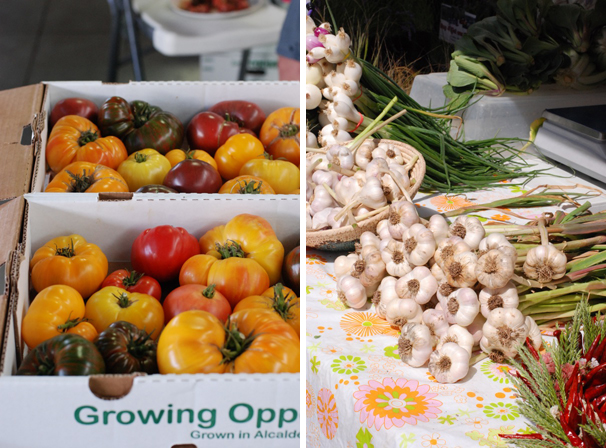
Not surprisingly, Santa Fe had a beautiful farmers' market that sat adjacent to an artists' market in the center of town. We strolled through both on our first day there, and came home with the motherlode of produce, bread, and some great marinated feta. Two of the loaves we bought were focaccia-style rounds, topped with onions, potatoes, and green garlic scapes. That, the feta, and a heaping spoonful of raspberry jam made for an easy lunch on day 1. Full and powered up for the day, we went back into town to visit the Georgia O'Keefe museum and check out a couple of galleries.

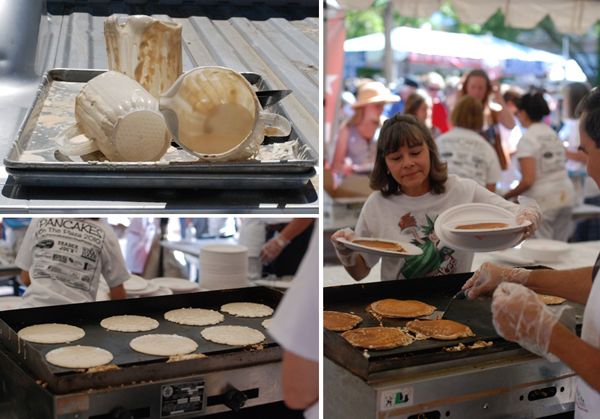
Day 2 was July 4th. Santa Fe has a sweet tradition of serving a citywide pancake breakfast to any and all of its 70,000 residents, as well as all tourists, who show up. I've never seen so many pancakes in my life! We actually didn't eat the pancakes -- we had plans for something a little more spicy -- but we passed by a truck that had some mostly empty pitchers of batter, and I couldn't resist snapping a couple shots.
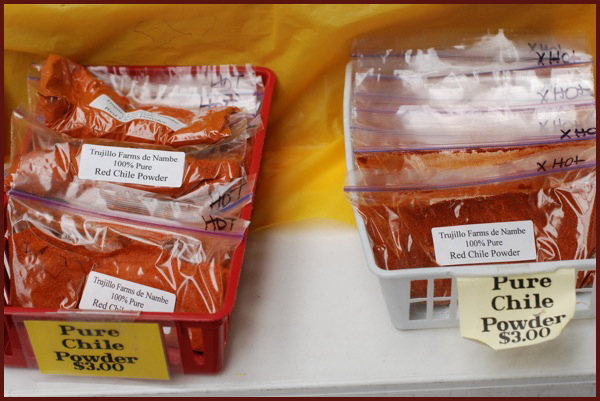
New Mexico's specialty is chiles -- hatch chiles, in particular. They're green and spicy, but not too spicy, and they most often get turned into a pale green sauce that's just delicious atop enchiladas, flautas, burritos, huevos rancheros, and pretty much anything else. I'm just as much a fan of the dusky red chiles as I am of the more piquant and tangy green ones, so I asked for "Christmas" atop most every dish I ordered, and received an equal portion of each.

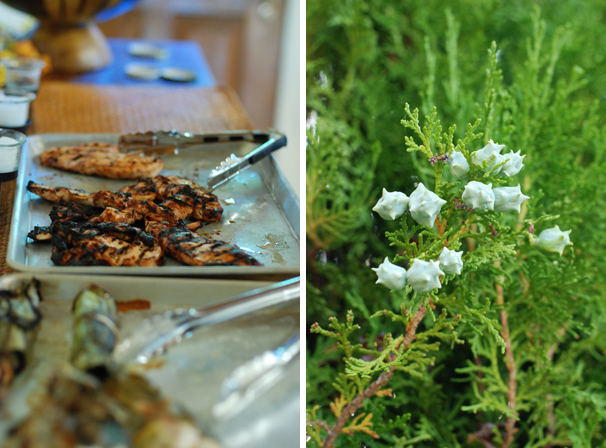
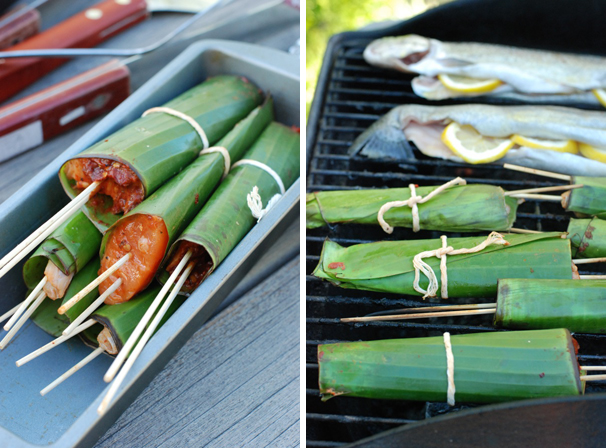
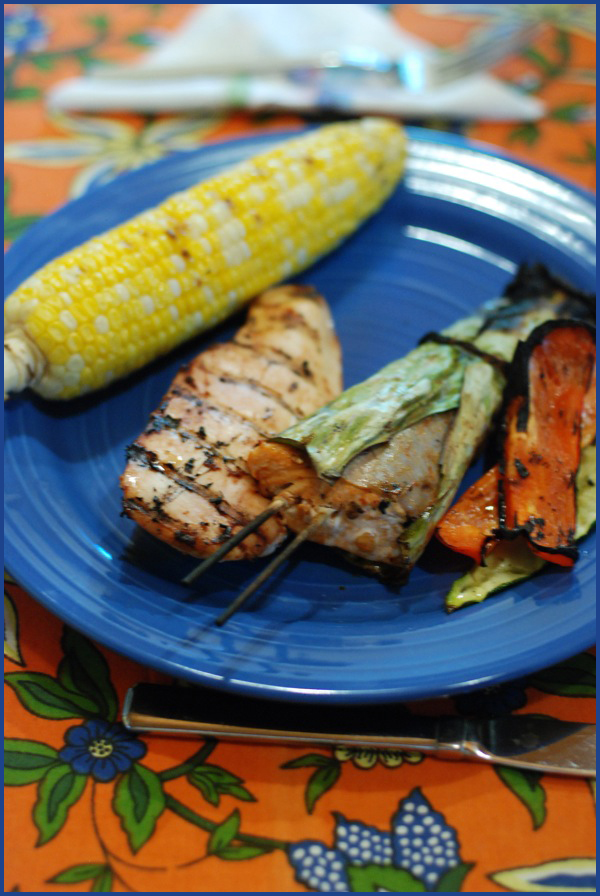
To top of the 4th celebrations, our crowd had a full-out barbeque at home. After grilled chicken and whole fish, small pieces of salmon wrapped in banana leaves, corn on the cob, roasted peppers and zucchini, and probably more, we were stuffed.
The best day by far, for me at least, was our last day in town. My respiratory infection had abated and I was finally able to hike, so D, her stepbrother Adam, and I drove out to Bandelier, about 45 minutes out of the city, where we hiked down and back up a mountain, then ducked into some old-school cave homes that, given the heat ourdoors, stayed surprisingly cool. Toward the beginning of our second hike, we saw the most adorable Texan women strolling along the path. How great are their outfits?

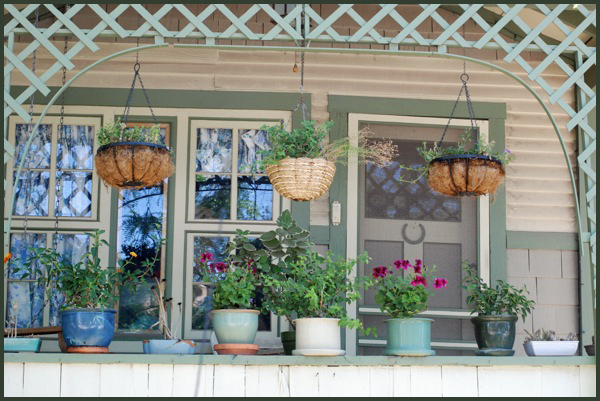
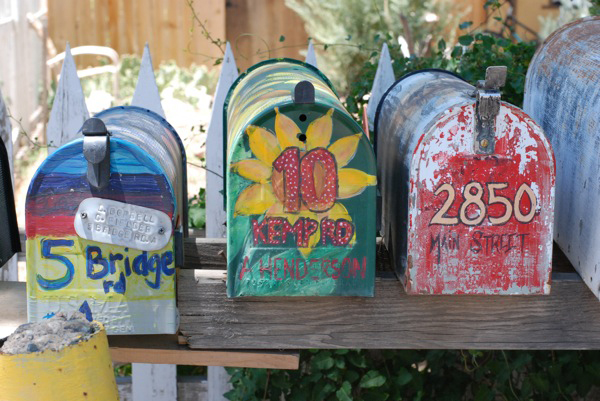
We spent one of our most bizarre days in a small town called Taos, just over an hour outside of Santa Fe. Taos is an artists' colony, and the folks who live there march to the tune of their own drums. Even their mailboxes smack of free-spiritedness.
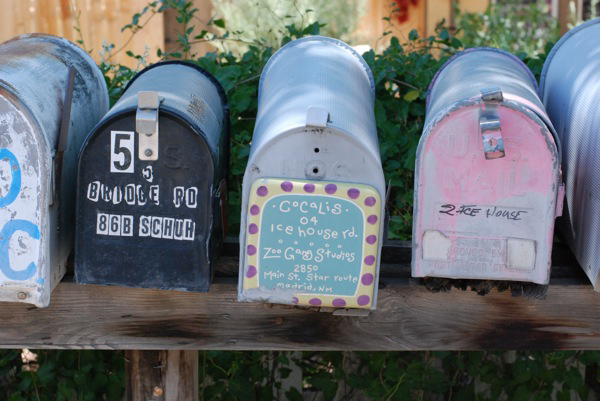
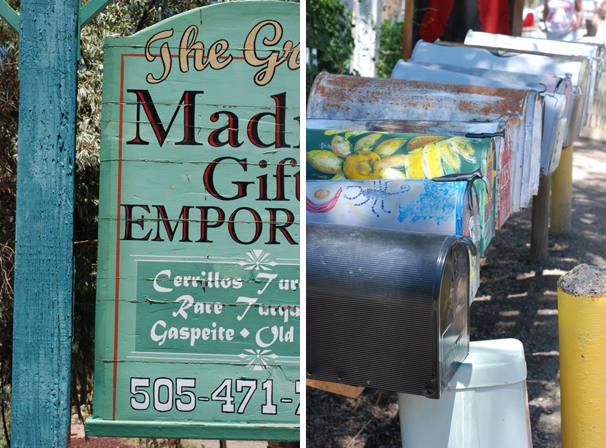
Santa Fe is also a free-spirited place. Fresh juniper berries grow on the trees, tablecloths have the funkiest patterns, and everyone wears bright colors all the time. It may not be my style, exactly, but I loved it. I loved the breeze and the dry heat, the spicy food and the funky art. If I could go again, I'd do it in a heartbeat.
Fried Squash Blossoms

Please welcome my good friend Jeremy, who's going at 'em again with his second guest post on NDP. I'm off to Santa Fe, NM for the long weekend, and Jeremy's babysitting the blog (because 4 kids isn't enough!) while I'm gone. Behave now...and get thee some squash blossoms!

I'm not one for begging, but I'm begging you, dear reader, not to miss out on the squash blossom.

For some reason, this extraordinary harbinger of summer seems to scare the bejeezus out of people. For the past month or so of Sundays, I've found myself lingering at a table covered with little wooden baskets filled with these delicate, delicious flowers. And without fail, I've overheard conversations like this one, between two veteran denizens of DC's biggest farmers' market:

"What would I do with them?" -"I don't know." "I mean, I love squash, but the blossom... whatever." -"I know. There must be a reason you never see them on a menu anywhere." "Exactly."

Verbatim? No. But you get the idea. So let's set the record straight, shall we?

First of all, a bit of demystification: they may look exotic, but we're just talking about the flower of the squash or zucchini here. On the farm or in the garden, they're ubiquitous this time of year. Squash are monoecious, you see, which means both male and female blossoms appear on the same plant. Only the female flowers will produce fruit (sometimes you'll see them still attached to smaller zucchini, courtesy of particularly gentle growers). However, early in the season, male flowers tend to dominate the plant, and when they realize there aren't many females around to pollinate, the male blossoms just give up, and drop right off the vine. Lucky us. Later in the season, we get a mix of male and female flowers to gather and enjoy; they all taste awesome.

Secondly, what you do with squash blossoms is fry them. It's so easy a child can do it, which, in fact, my six year-old daughter does (with some supervision around the hot oil, of course).

Finally, the reason you almost never see squash blossoms on a restaurant menu is that by the time they reached your table, they would be past their prime: these little lovelies are at their best straight out of the pan, not after sitting on the slide waiting for your server to make sure your companions' apps are ready to go, too. Chefs get this, which is why you don't see these treats often, even when they're in season, as they are right now. But you can bet that when the pros are at home whipping up a meal for friends, they've got squash blossoms sizzling away to snack on while they cook. And so should you.

The immediacy of this delicacy, the drop-dead simplicity of their preparation, and the uniqueness of their flavor, are what make squash blossoms so special. Harvest. Cook. Serve. Eat. It's what summer food is all about.

Now, you can jazz up squash blossoms if you insist. You can stuff them with a soft cheese -- some swear by ricotta. You can batter them in beer, or sprinkle them with cayenne. But we stick to basics. Olive oil. Flour. Milk. Salt. Squash blossoms. That's it.

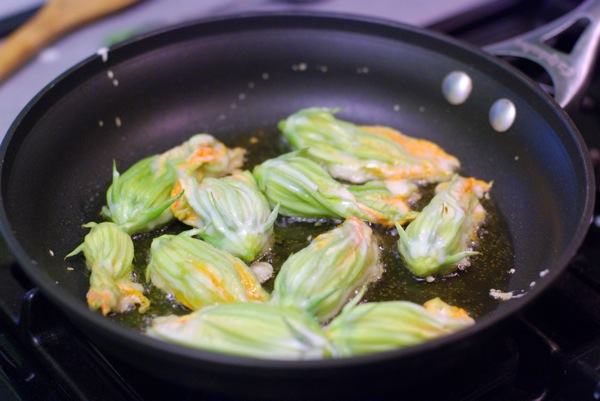
So here's what you're going to do. Grab you're favorite skillet -- non-stick works great here, if that's how you roll. Take some good olive oil and cover the bottom of the pan, just a couple of millimeters or so. Then turn the heat to medium-high and let the oil get nice and hot.

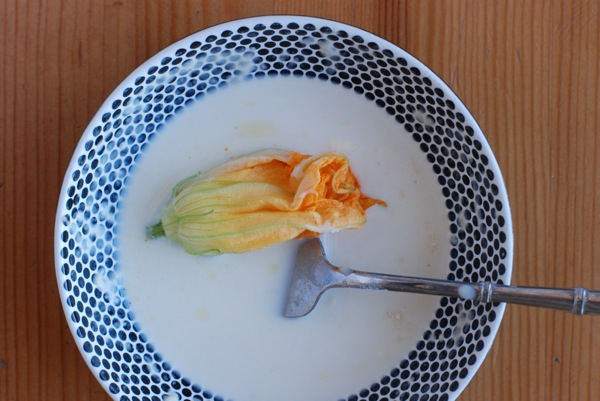
While that's happening, put a couple of spoonfuls of flour into a shallow bowl, add a splash of milk, and whisk them together with a fork (or a whisk, if you happen to have one handy) until you have a thin batter. This isn't tempura, folks -- go too thick and you'll overwhelm the blossoms. Sprinkle in some kosher salt, whisk a little more, and you're good to go.

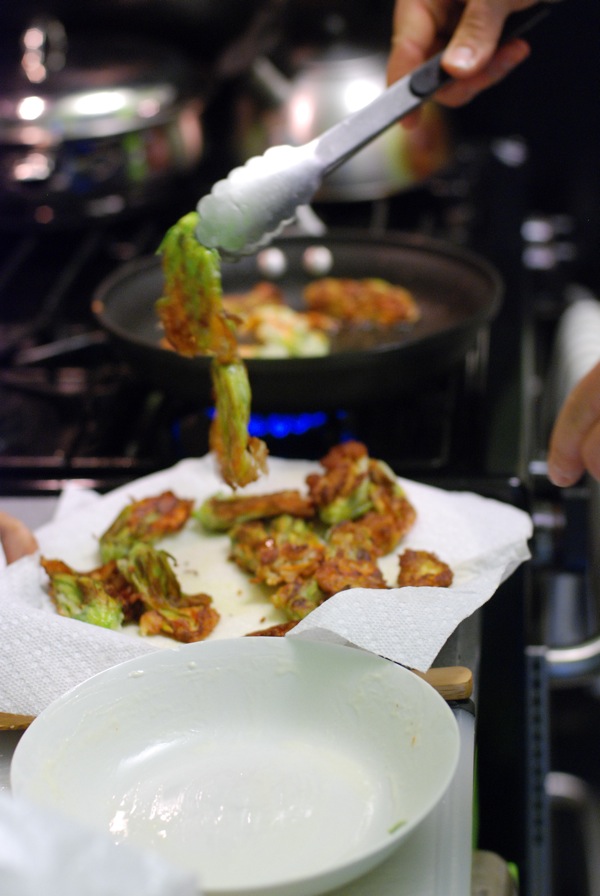
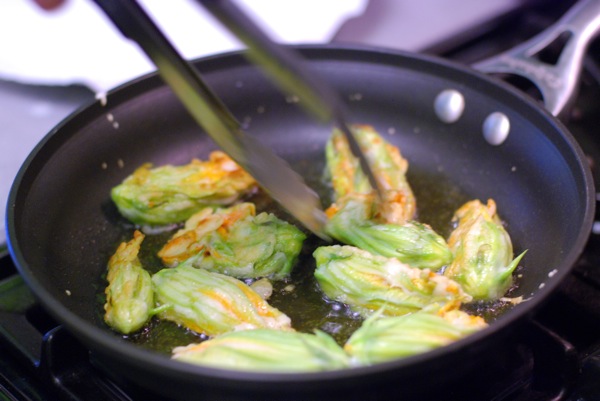
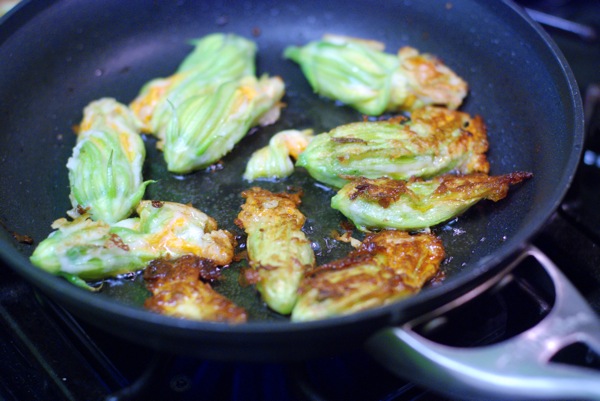
Dip your finger in the batter and flick it in the oil. If the oil sizzles, then you're ready to make the magic happen. Take a blossom between your fingers and dredge it in the batter -- I find a twirling motion to be particularly effective. Slide the flower carefully into the oil, turning it in a couple of minutes or so, when the pan-facing side is golden and crisp. You're done when the blossom is uniformly gorgeous in all its summer splendor.

Set it on a paper towel, give it another dash of salt, and pop it in your mouth as soon as you're sure you won't burn your tongue. Then invite your friends to hang around the kitchen. You'll feel satisfaction akin to sharing a really great secret. And they'll be eternally grateful.

See? There's nothing to be scared of... except missing out.

The Only Lemon Cake You'll Ever Need.

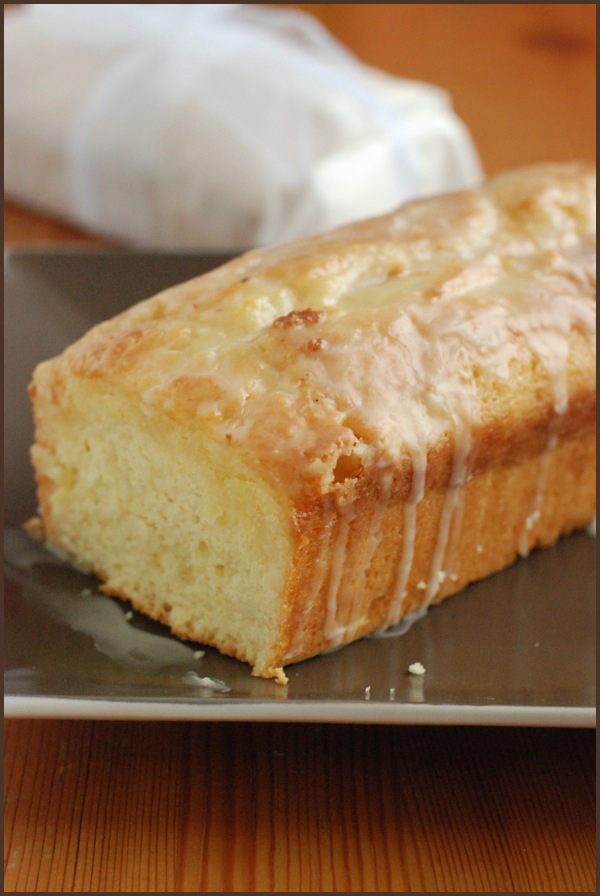
I suppose I could call it Lemon Pound Cake as the Hamptons goddess did, but this title is more to the point. Once you make this lemon cake, it'll become the one. The. One. (Unless you're one of them crazy types who can't ever make the same thing twice...but I don't know any folks like that.)

And you know what? I'm not even one to go nuts for lemon cake. Hell, I didn't even think I liked lemon cake. But then I was at the Dupont farmers' market a couple weeks ago looking for something to bring to a meeting, and a half-ring of lemon cake at the bread stand caught my eye. We ate it, all of it. It was nice and firm, with a royal icing-type glaze of just powdered sugar and lemon juice. It was simple and classic, and really damn good. We ate it all.

Eating that cake, I realized I'd never really made a lemon cake before. I knew exactly what I wanted: flavors of lemon, butter, and good vanilla; texture that was both feathery and firm; and a light, bright yellow color. There was only one place to look for the perfect recipe, and she didn't disappoint.

Acknowledging that this is an Ina cake, it naturally starts with a half-pound of butter. To that, you add very, very much lemon. Lemon and sugar, and plenty of vanilla. Can't you just smell that amazingness steaming out of your oven? And as if that's not enough, you make a sweet, drippy lemon syrup and paint it over the finished loaves, giving each slice a tart one-two punch. The title says it all: this is the only lemon cake you'll ever need.

Ina's Lemon Pound Cake

For the cake: 1/2 pound (2 sticks) unsalted butter, at room temperature 2 1/2 cups granulated sugar, divided 4 extra-large eggs, at room temperature 1/3 cup grated lemon zest (6 to 8 large lemons) 3 cups flour 1/2 teaspoon baking powder 1/2 teaspoon baking soda 1 teaspoon kosher salt 3/4 cup freshly squeezed lemon juice, divided 3/4 cup buttermilk, at room temperature 1 teaspoon pure vanilla extract

For the glaze: 2 cups confectioners' sugar, sifted 3 1/2 tablespoons freshly squeezed lemon juice

Preheat the oven to 350 degrees F. Grease and flour 2 (8 1/2 by 4 1/4 by 2 1/2-inch) loaf pans. You may also line the bottom with parchment paper, if desired.

Cream the butter and 2 cups granulated sugar in the bowl of an electric mixer fitted with the paddle attachment, until light and fluffy, about 5 minutes. With the mixer on medium speed, add the eggs, 1 at a time, and the lemon zest.

Sift together the flour, baking powder, baking soda, and salt in a bowl. In another bowl, combine 1/4 cup lemon juice, the buttermilk, and vanilla. Add the flour and buttermilk mixtures alternately to the batter, beginning and ending with the flour. Divide the batter evenly between the pans, smooth the tops, and bake for 45 minutes to 1 hour, until a cake tester comes out clean.

Combine 1/2 cup granulated sugar with 1/2 cup lemon juice in a small saucepan and cook over low heat until the sugar dissolves. When the cakes are done, allow to cool for 10 minutes. Remove the cakes from the pans and set them on a rack set over a tray or sheet pan; spoon the lemon syrup over them. Allow the cakes to cool completely.

For the glaze, combine the confectioners' sugar and the lemon juice in a bowl, mixing with a wire whisk until smooth. Pour over the tops of the cakes and allow the glaze to drizzle down the sides.

Arugula and Bean Salad with Cumin Dressing

DC does not mess around with summer, and boy, this one's a scorcher. This week, temperatures climbed into the upper 90's -- maybe even the triple digits -- and the A/C at our apartment is, well, the little engine that could. We're getting to that point in the season where it's too hot to even consider turning on the oven, and even stovetop cooking must be kept to a minimum. Needless to say, we're not doing much bread-baking around here.

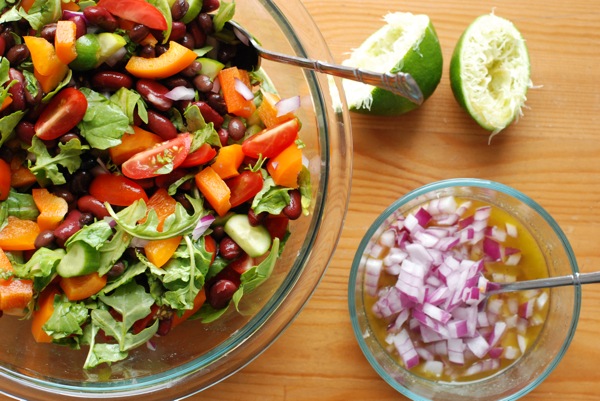
But let me tell you, we're eating salad like it's our job. It's cool and refreshing, it requires no heat (phew!), and it can take on many different personas. There's a big bunch of romaine in our fridge right now, waiting to become a crouton-loaded Caesar; I've got a couple heads of butter lettuce that I dress simply with horseradish dressing and top with toasted breadcrumbs; and of course, I've been making my way through a pound of arugula in salads just like this one.

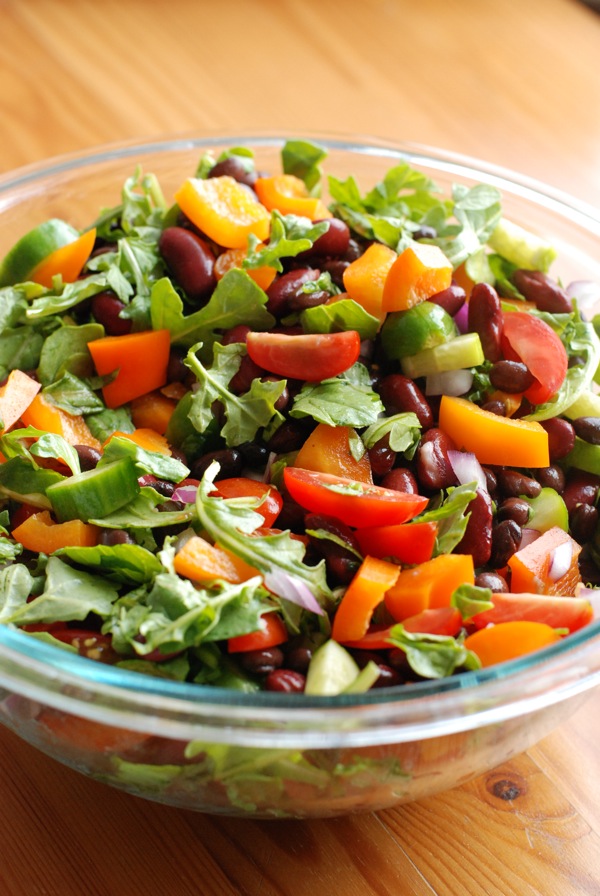
Two things about this salad make it a staple. First, it's substantial. When I eat butter lettuce salad, I always have something else after. This arugula salad, with black beans and avocado and, if you feel like it, feta cheese, is a meal in a bowl. Second, it's flexible. Arugula could be traded for any other lettuce, and if black or kidney beans aren't your thing, pintos would work as well.

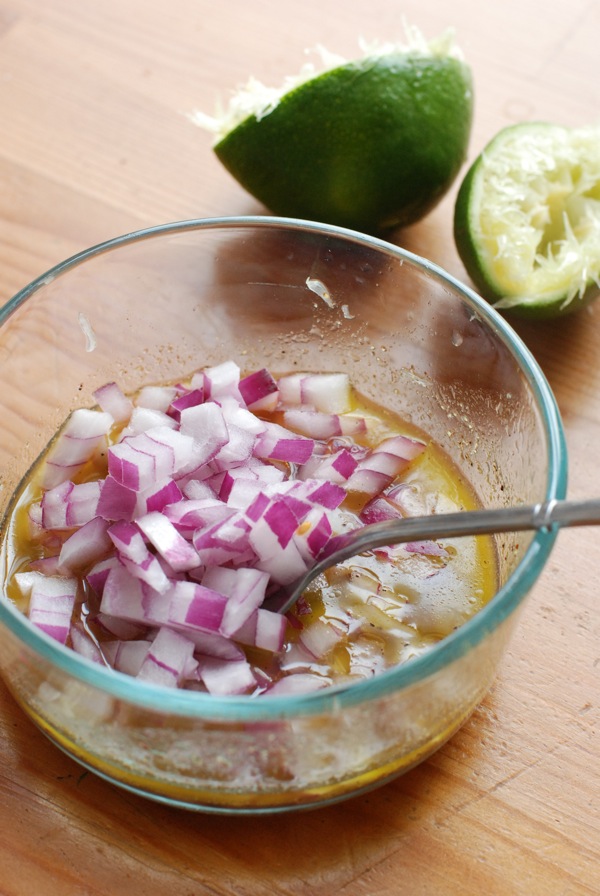
But the best thing about this salad, the thing that keeps me returning to it time after time, is the dressing. This lime juice-based vinaigrette, sharpened by raw red onion, has a nutty, spicy undercurrent of toasted cumin and hot chile running throughout. The most unexpected flavor? Date honey; it gives just the right sweetness and depth to round out the other flavors. Honestly, I could eat a piece of bread and this dressing and be happy.

But I don't usually do that. When I can pour the dressing on a pile of sharp arugula, add juicy cherry tomatoes and vibrant orange pepper, finish with the black beans, and call it dinner, there's no need to do much else.

Arugula Black Bean Salad with Cumin Dressing

For the salad: 1/2 pound arugula 1 can black beans, rinsed well and drained 1 can kidney beans, rinsed well and drained 1 pint cherry tomatoes, sliced lengthwise 1 red pepper, coarsely chopped 1 orange pepper, coarsely chopped 3 mediterranean (small) cucumbers or 1 English seedless cucumber, halved lengthwise and sliced 2 avocados, halved, pitted, and coarsely chopped small block of feta cheese, cubed (optional)

For the dressing: 1/2 medium red onion, diced 2 teaspoons cumin seeds 1 teaspoon diced jalapeno chile 1/2 cup cilantro leaves, roughly chopped 2 teaspoons date honey (regular honey will work, too) juice 2 limes 1/8 cup red wine vinegar 1/3 cup olive oil salt to taste

Combine all salad ingredients in large, shallow bowl.

In medium mixing bowl, combine lime juice, red wine vinegar, diced onion, and jalapeno. Let macerate while you prepare the oil.

Heat olive oil and cumin seeds in a small saucepan over medium-low heat. Cook about 3 minutes, monitoring closely to make sure oil doesn't burn or smoke; you want the oil just hot enough to bring out the fragrance in the cumin seeds. When the oil becomes aromatic, remove from the heat and set on the counter to cool for about 3 minutes.

Add date honey to onion mixture, and add salt to taste (I use a little under 1 teaspoon). Add oil, and whisk to combine. Taste again and adjust salt level as needed. Just before dressing the salad, add cilantro leaves to dressing and stir to incorporate. Serve.